
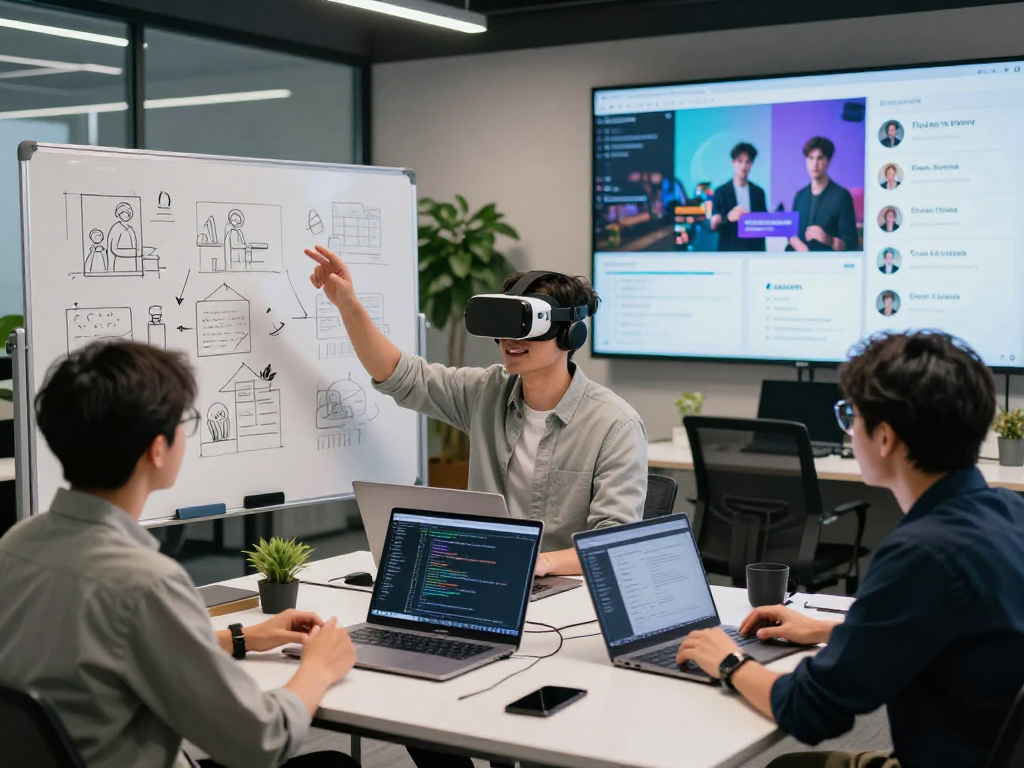
Understanding the Fundamentals of AI Roleplay
Artificial Intelligence (AI) is transforming various sectors by enhancing interactivity and engagement, and one of the most intriguing applications of this technology is in the realm of ai roleplay. This concept blends the capabilities of AI with role-playing scenarios, enabling users to dynamically simulate environments, characters, and narratives that feel increasingly real and immersive. As we delve into the fundamentals of AI roleplay, we will explore its definition, the technology driving it, and its importance in engaging users across different scenarios.
What is AI Roleplay?
AI roleplay refers to the use of artificial intelligence in simulated interactions where users can embody different characters or situations. This application can serve numerous purposes, from entertainment to education, providing a platform for users to explore narratives and interpersonal dynamics within safe and controlled environments. The essence of AI roleplay lies in its ability to create responsive and adaptive scenarios that react to user inputs, making each interaction unique.
Key Technologies Empowering AI Roleplay
Several key technologies are at the forefront of AI roleplay development:
- Natural Language Processing (NLP): NLP enables computers to understand and respond to human language, facilitating realistic conversations between users and AI characters.
- Machine Learning: This technology allows AI systems to learn from interactions, improving their responses over time based on user behavior and preferences.
- Game Engines: Advanced game engines create lifelike simulations with graphics and physics that enhance the immersive experience of AI roleplay.
- Virtual Reality (VR): VR technology takes AI roleplay to new levels by placing users in a fully interactive 3D environment where they can physically engage with the scenario.
Importance of AI in Roleplay Scenarios
The integration of AI into roleplay scenarios offers numerous advantages:
- Enhanced Engagement: AI roleplay captivates users with an interactive experience, leading to longer participation times and deeper emotional connections.
- Personalization: AI systems can tailor experiences based on user preferences, ensuring that each session feels unique and relevant.
- Real-time Feedback: Participants can receive immediate feedback and guidance, enhancing the learning and developmental aspects of the roleplay.
Identifying User Intent in AI Roleplay
Understanding the various intents behind user engagement is paramount for designing effective AI roleplay scenarios. Knowing what users seek can guide developers in creating more appealing and relevant experiences.
Understanding Target Audiences
Different audiences engage in AI roleplay for various reasons. For example, educators might use AI roleplay to enhance classroom learning, while gamers might seek immersive narratives in entertainment. Segmenting the audience is crucial for addressing their specific needs and motivations.
Common User Motivations for Engaging in AI Roleplay
User motivations may include:
- Learning: Many users engage in AI roleplay to acquire new skills or knowledge.
- Entertainment: The desire to escape into different worlds or stories drives recreational users.
- Social Interaction: AI roleplay provides a platform for socialization, allowing users to connect with others in shared narratives.
Identifying Pain Points and Challenges
To create effective AI roleplay experiences, it’s essential to identify common challenges users face:
- Technical issues, such as glitches or slow responses, can hinder the experience.
- Complexity can overwhelm users; scenarios must balance challenge with accessibility.
- Lack of engagement may result from repetitive content or predictable storylines.
Designing Engaging AI Roleplay Scenarios
Once user intent is understood, the next step is to design scenarios that resonate deeply with users. Effective design hinges on several best practices.
Best Practices for Scenario Development
When creating AI roleplay scenarios, consider the following practices:
- Clear Objectives: Define what users are supposed to achieve within the roleplay to guide them throughout the experience.
- Storytelling: Incorporate compelling narratives that draw users in, allowing them to emotionally invest in the outcome.
- Flexibility: Allow for multiple pathways and outcomes based on user choices, which can enhance engagement.
Utilizing Feedback for Continuous Improvement
Regular feedback from users is invaluable. Implementing mechanisms for feedback collection can help identify pain points and areas for improvement, leading to more refined and enjoyable experiences over time.
Balancing Realism with User Experience
While realism can enhance immersion, it should not come at the expense of user enjoyment. Striking a balance between realistic elements and engaging gameplay is crucial for maintaining user interest.
Implementing AI Roleplay in Different Industries
AI roleplay applications span various industries, offering unique benefits tailored to each sector's needs.
Education: Enhancing Learning with AI Roleplay
In educational settings, AI roleplay can simulate real-life scenarios for learners. For instance, medical students can practice patient interactions, honing their soft skills and clinical knowledge in a risk-free environment.
Healthcare: Training Professionals using AI Roleplay
Healthcare professionals are increasingly using AI roleplay for training. By simulating patient encounters, they can better prepare for real-world situations, enhancing their decision-making and communication skills in critical scenarios.
Business: Simulating Real-World Challenges
Businesses utilize AI roleplay for training employees on customer service, negotiation, or conflict resolution. Simulated interactions help staff practice these skills in a controlled setting before applying them in actual situations.
Future Trends in AI Roleplay for 2026
As technology evolves, so too will the capabilities and applications of AI roleplay. Understanding these trends is essential for stakeholders looking to harness this innovative technology.
Emerging Technologies Shaping the Future
Several emerging technologies are poised to shape the future of AI roleplay, including:
- Advanced AI Algorithms: Continued improvements in AI algorithms will lead to more sophisticated and human-like interactions.
- Augmented Reality (AR): AR can offer new ways to blend the physical and virtual worlds, enriching the roleplay experience.
- Behavioral Analytics: Analyzing user behavior can inform more personalized and engaging scenarios.
Predictions for User Engagement and AI Roleplay
Looking towards 2026, user engagement in AI roleplay is expected to increase dramatically. As technology improves, users will find more value in these experiences, leading to widespread adoption across various sectors.
How to Stay Ahead in AI Roleplay Development
Staying ahead in AI roleplay development requires a commitment to continuous learning and adaptation. Companies should invest in research to keep abreast of technological advancements and user trends, ensuring that their offerings remain relevant and engaging.
What are the potential benefits of incorporating AI roleplay?
Incorporating AI roleplay can lead to innovative training methods, heightened user engagement, personalized experiences, and enhanced retention of skills or knowledge. Organizations can see measurable improvements in outcomes as users interact with realistic scenarios that foster learning and growth.
How can businesses leverage AI roleplay for training?
Businesses can leverage AI roleplay to create immersive training modules that reflect real-world challenges. By utilizing AI-driven scenarios, employees can practice critical skills and learn from mistakes in a safe and supportive environment.
What challenges should developers expect in AI roleplay?
Developers should anticipate challenges such as ensuring the accuracy of AI responses, maintaining user engagement over time, and addressing potential ethical concerns related to AI interactions. Emphasizing user experience and addressing these challenges will be key to successful AI roleplay implementations.
How does AI roleplay enhance user engagement?
AI roleplay enhances user engagement by offering personalized experiences, dynamic interactions, and real-time feedback. These elements create an immersive environment that keeps users invested in the roleplay, leading to increased participation and satisfaction.
What are the best practices for creating AI roleplay scenarios?
Best practices for creating AI roleplay scenarios include defining clear objectives, employing compelling storytelling, encouraging user agency, and continuously refining content based on feedback. Focusing on these aspects will help developers create impactful and engaging experiences.